Autumn 2024-ongoing
As my research is in a stage of organic growth, some of these themes/artists may lose relevance, others are surfacing.
Main Theme
My main concern is climate breakdown and how we think about this planet we live on. I am particularly interested in ‘organic’ forms and for me this becomes more curious when manmade materials and the organic form meld or there is the intervention of the human hand, as in all reality it is all we have known. Organic forms both for their beauty and horror, lend themselves to dystopian futures…rhizomatic and bacterial growth, cell structure, growth and decay, and particularly sharp forms (pine needles, burrs, thorns) often feature as the main setting for dark tales. I would like to re-evaluate what we have now – ‘natural’ or ‘unnatural’ – it is what makes me both happy and sad; and this leads on to questions of lively things and agency, material intervention which all stems from the materials we decide to use and how we interact with them. Andreas Weber proposes a more intimate relationship with our world in Matter and Desire one of noticing, instinct and sensuality and this approach – an enchantment – is one I set out with, treading lightly with eyes wide open.
Contemporary Art Landscape
I have an MA in Art History, which although focused mainly on the Renaissance, Baroque and Romantic period, gives me a broad background on which to draw. However, this year I have focused on contemporary art: here are a few of the many influences.
Delcy Morelos
b. 1967 Tierralta, Colombia
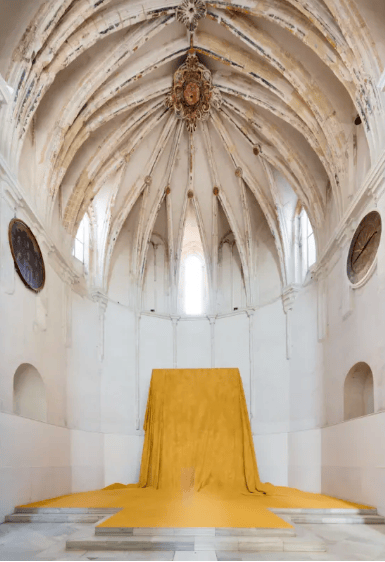
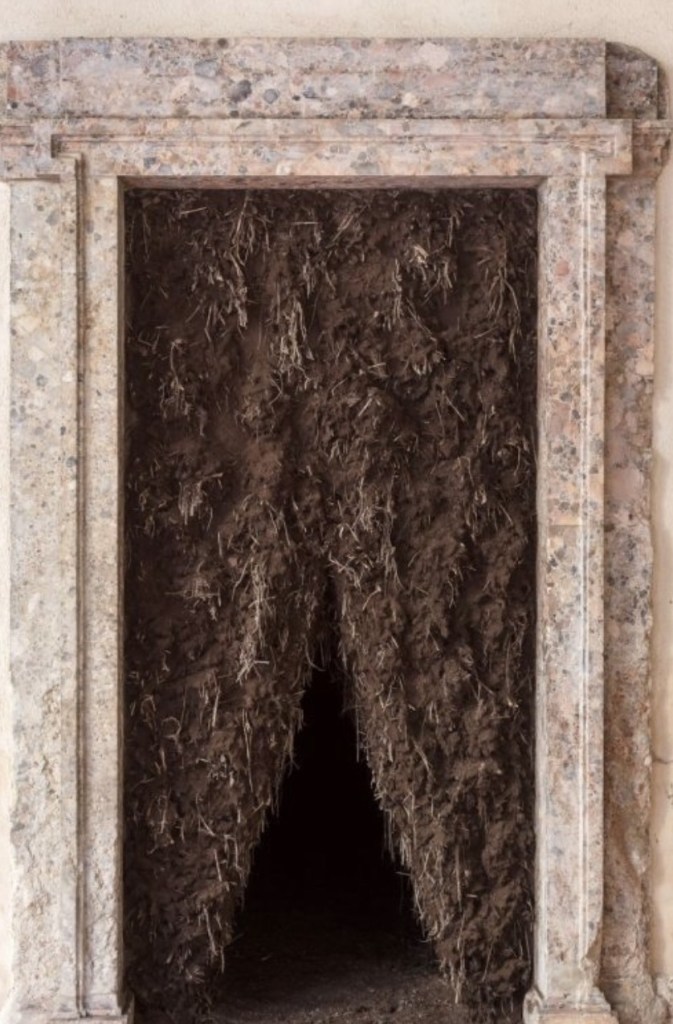
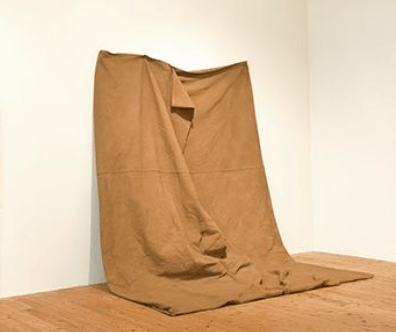
Morelos works with soil. For her, earth artworks are repositories of history and a reflection on her reverence for this living material. For Morelos, earth holds a sensual but sacred space, and it becomes a conduit for woman, her body and spirituality. She subtly furthers a female agenda whilst her choices of material and site address the patriarchy, colonial pasts and violence in South America.
Laura Lima
b. 1971, Minas Gerais, Brazil
‘the matter of all things vibrate, rust, smell, breathe, age, and transform.’
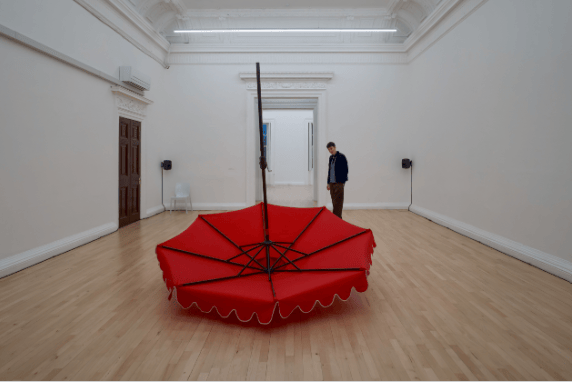
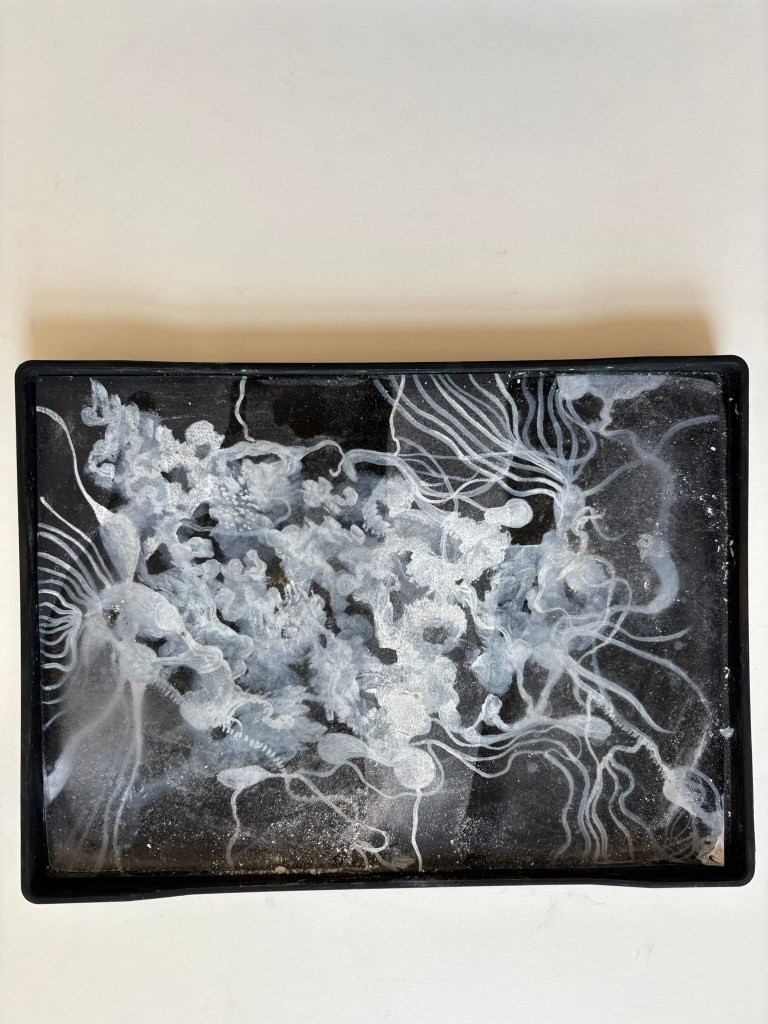
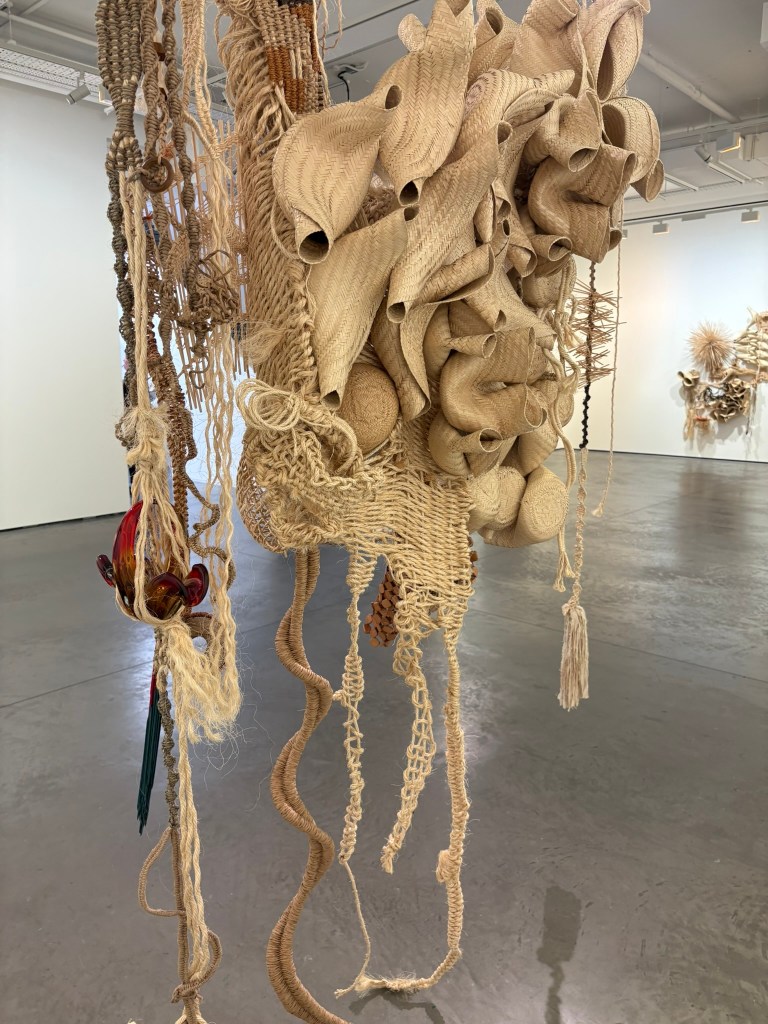
An artist who experiments with materials and mechanisms is Laura Lima whose work I came across recently at an ICA exhibition The Drawing Drawing curated by Andrea Nitsche-Krupp. Lima calls upon object agency and audience interaction in a way that reminds the participant that we are but living matter ourselves. Often funny-absurd her art presents as an exchange, questioning the way we interact with the world through experimentation and play.
Andy Goldsworthy
b. 1956, Cheshire, England
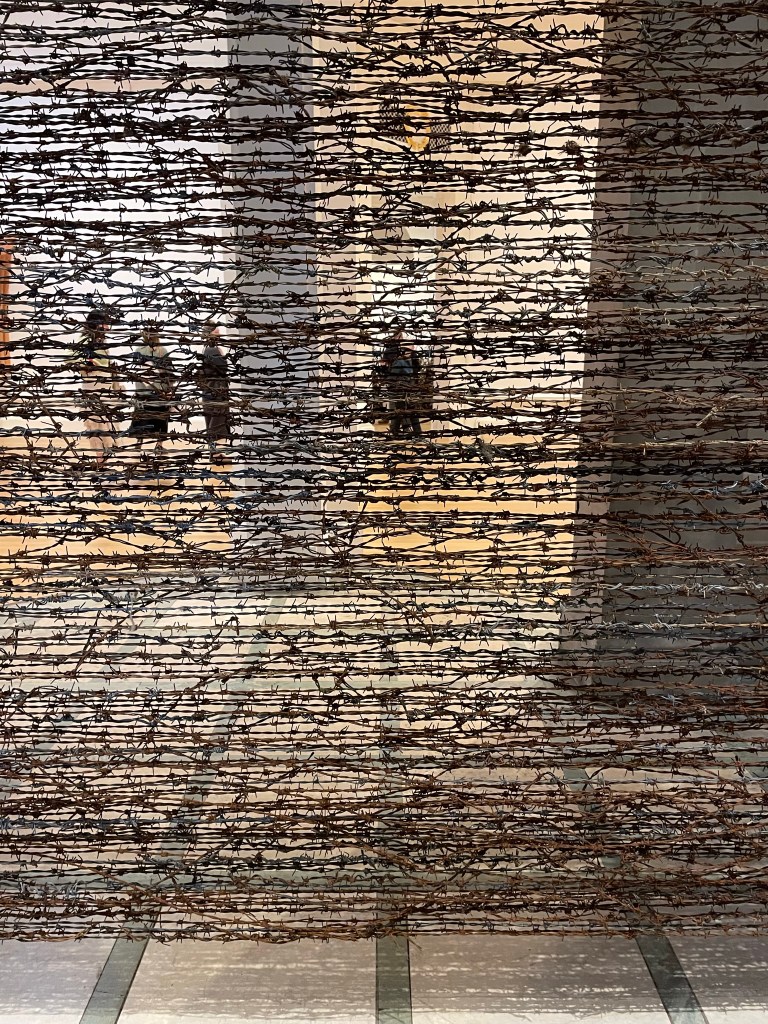
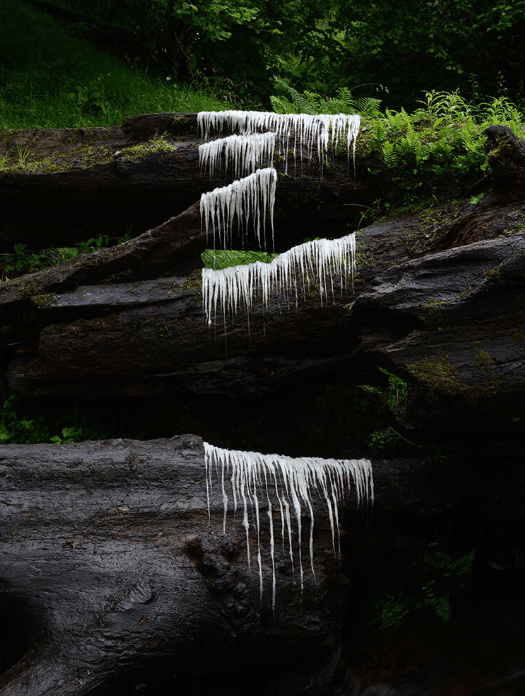
Goldsworthy uses only found matter, down to thorns to affix things as his materials. However, his interventions make for questions about how we see things and interact with them: the materials he uses are chosen with intention. He is interested in their site, what binds our landscape and our use of natural materials, ephemerality, and time. His work is deceptively simple – it is not about rural ideals but the frought nature of our relationship with this planet, and many of the questions he asks are political with regards to boundaries, agriculture and rights. He links the rural with the urban, though he obviously has a deep regard for the countryside.
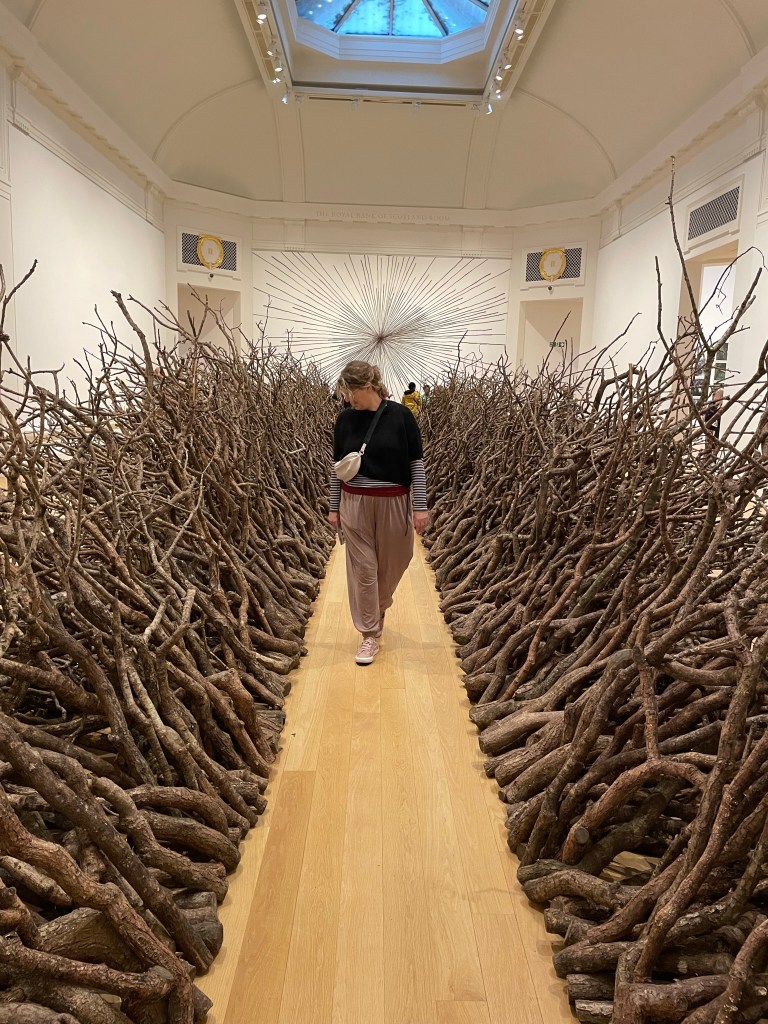
Other artists I admire that use organic form to convey different meanings but also play with our draw, fear, and, sometimes, recoil from natural and unnatural things (that appear natural) which is an interesting dynamic are:
Nicola Turner, Kate MccGuire, Annie Cattrell, Cornelia Konrads, Tara Donovan, Anish Kapoor
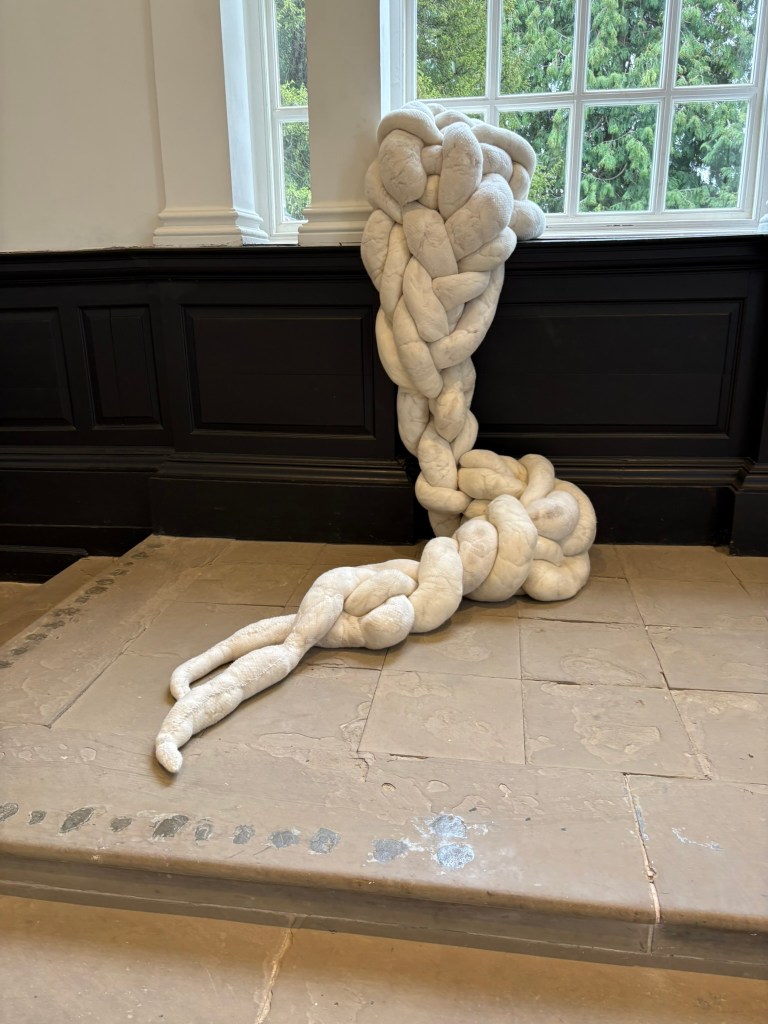
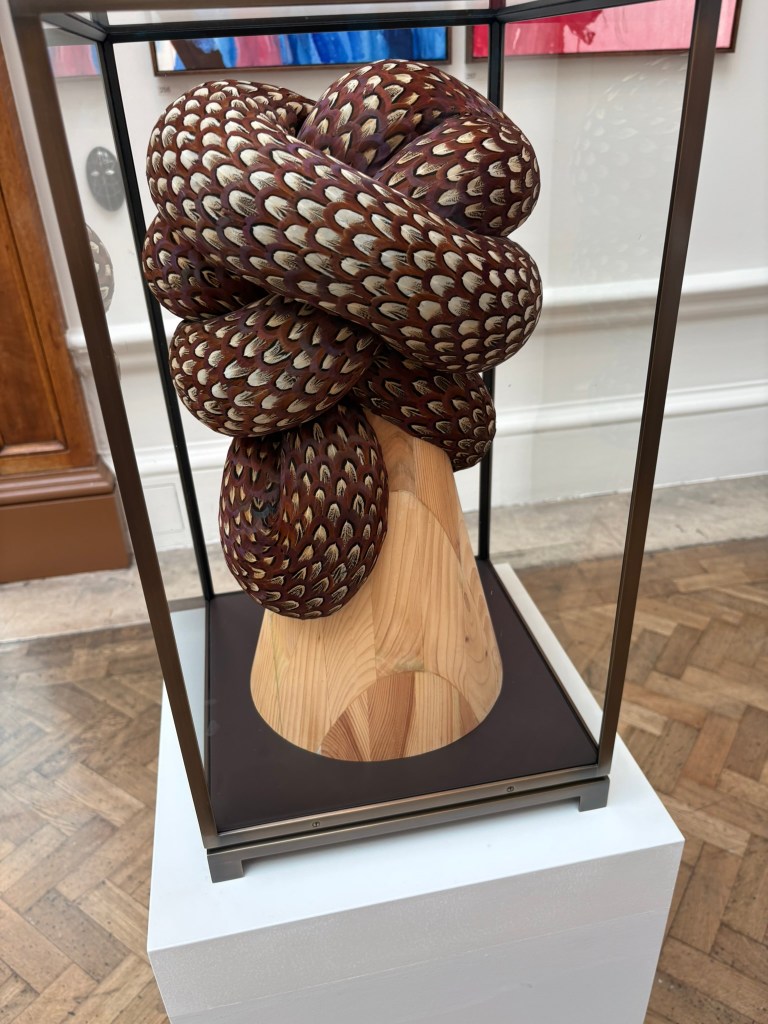
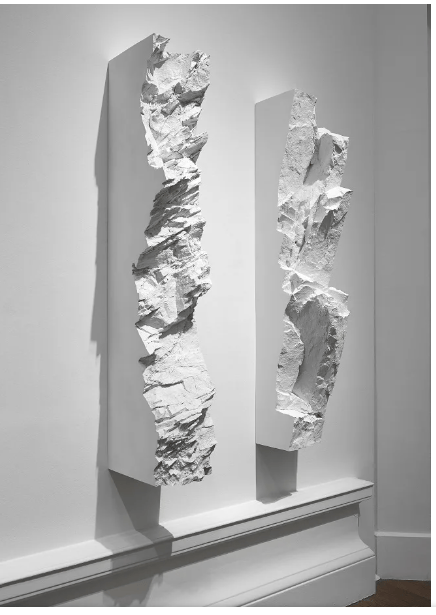
Additional themes
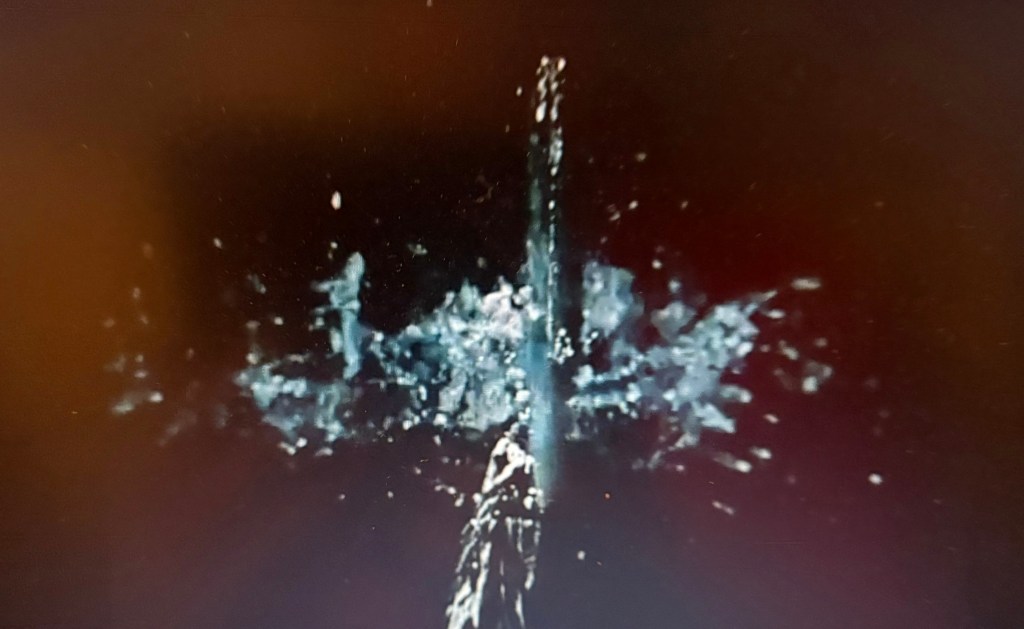
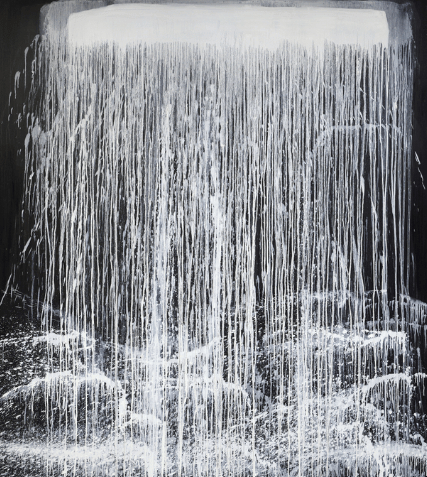
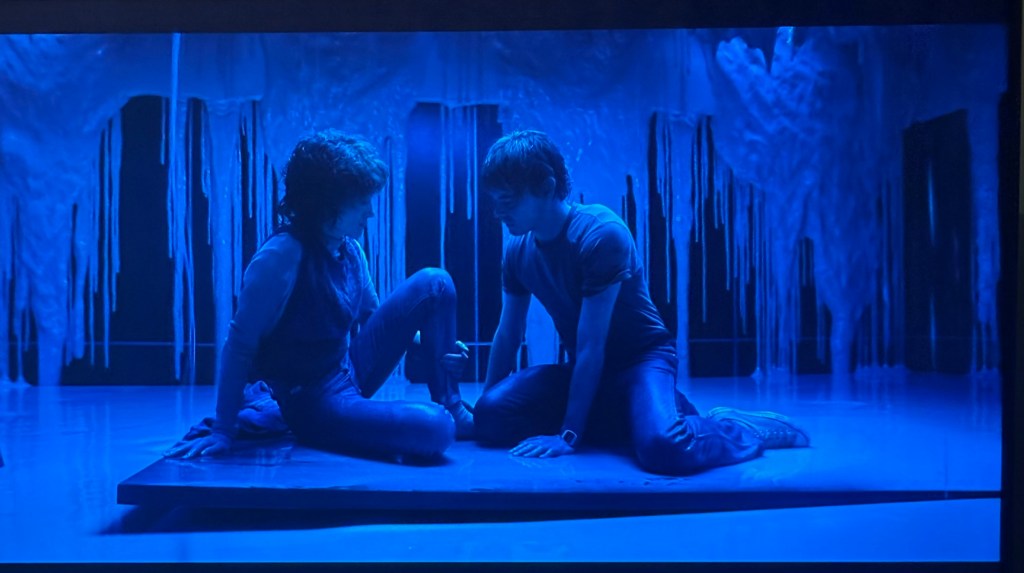
Water in its many manifestations is life giving but largely viewed as a commodity. It is a resource and source of wonder, it has been polluted, exploited, dirtied, treated, used. Apart from the localized trauma of sewage in our rivers, tributaries, streams, brooks, and various treatments, the damming, hydroelectric installations and the plumbing of aquifers mean that fresh water is becoming scarce. Waterfalls are an iconic sign/symbol as a construct of ‘nature’; as are hydrangea and moss, for example. How we choose to display water as gushing, playful or as still waters tells us much about our attitude towards it.
The Baroque
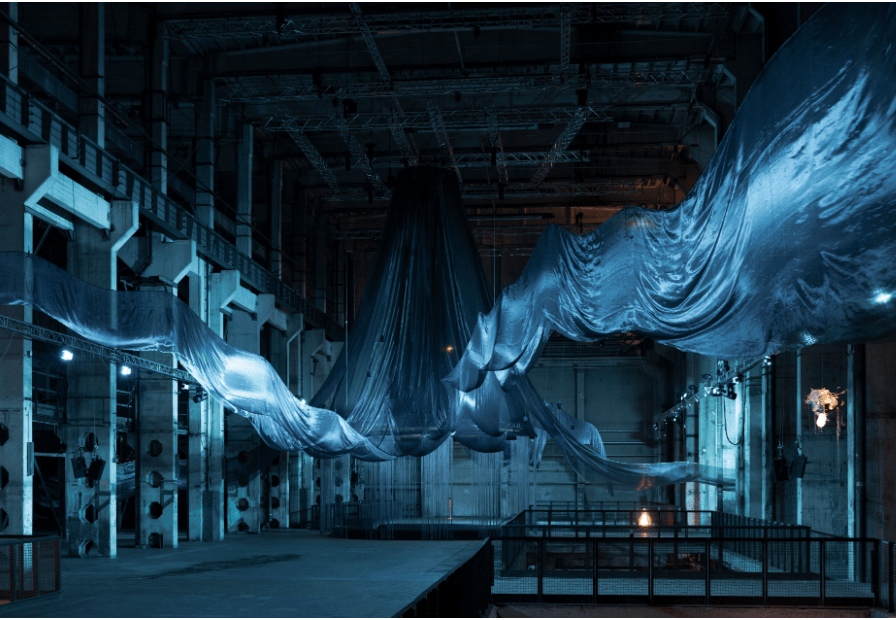
It was a time of great change: a new world had been discovered and the invention of the printing press meant that there was an information overload never experienced before. This excess of information is directly relatable to the acceleration of our relatively new digital age. Signs and meanings multiply and become diluted and overwhelming and previously known structures become fragmented and at the same time compressed. Social and political discourse is obscured and polarised by the volume of information and narratives. I aim to relay this parallel using a contemporized aesthetic of the baroque.
Books and Films:
Andreas Weber – Matter and Desire: An Erotic Ecology
Bifo Berrardi: Phenomenology of the End
Gilles Deleuze – The Fold: Leibniz and the Baroque
Guy Brett – Kinetic Art
Jane Bennett – Vibrant Matter: A Political Ecology of Things
Octavia Butler – A few Rules for Predicting the Future
Philip Steadman – Renaissance Fun: The Machines Behind the Scenes
Robert Smithson – The Collected Writings
Tai Shaini – Our Fatal Magic
Georgiy Daneliya – Kin Dza Dza – a sci-fi aesthetic with commentary, satire, automatons
Kenneth Anger – Eaux d’Artifice – set in Villa D’este pleasure gardens featuring the semi-erotic use of water
 chantalferrer